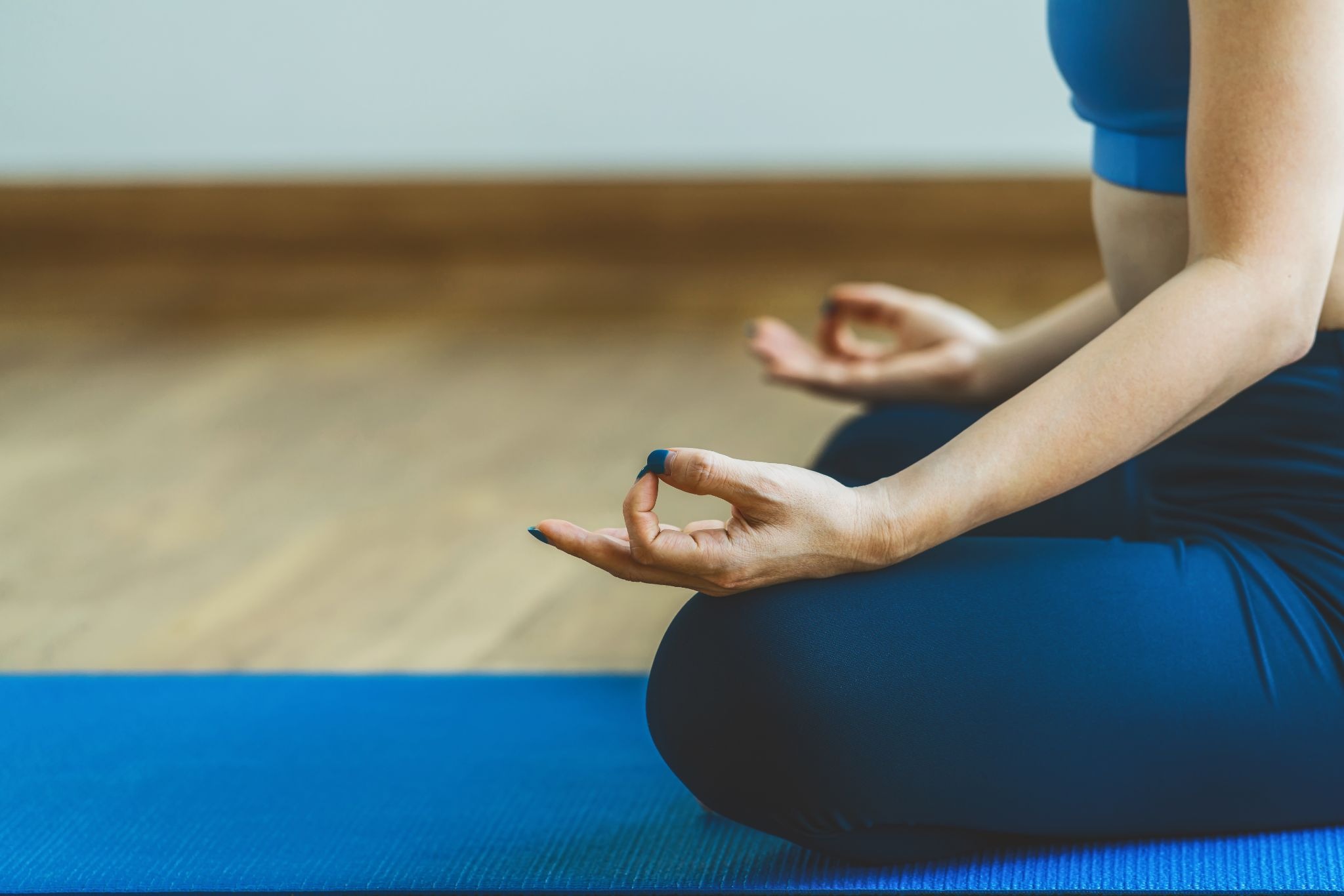
Meditation is more than a relaxation tool it’s a practice that strengthens attention, enhances emotional regulation, and reduces daily stress. Even seasoned practitioners benefit from structured techniques that go beyond simple breathing exercises. Whether you’re struggling with mental clutter, workplace distractions, or emotional tension, refining your meditation practice can boost focus and calm.
This guide provides practical exercises, advanced methods, and tips for sustainable meditation, designed for individuals with foundational mindfulness experience who want to deepen concentration and manage stress effectively.
The Science Behind Meditation, Focus, and Stress
Scientific research shows that meditation changes brain activity, particularly in areas associated with attention, executive function, and emotional regulation. Techniques such as mindful breathing or body scans can lower cortisol levels, helping the body manage stress naturally.
Studies indicate consistent practice improves cognitive clarity, memory retention, and productivity. Moreover, meditation strengthens neural pathways that support sustained focus, even in high-pressure or distracting environments. Understanding these physiological and psychological effects reinforces why meditation isn’t just relaxation—it’s cognitive training.
Foundational Practices to Improve Mental Focus
Mindful Breathing Techniques
Breathing meditation anchors attention to the present moment. Beginners can use counting methods or rhythmic patterns—inhale for four counts, hold for four, exhale for four to maintain concentration.
Tips to minimize distraction include keeping sessions short initially and refocusing gently when the mind wanders. Consistency improves both focus during meditation and attention in daily tasks.
Body Scan Meditation
Body scan meditation heightens awareness of physical sensations, teaching practitioners to notice tension without judgment. Start from the feet and move upward, observing areas of stiffness or discomfort.
Short daily scans of five to ten minutes cumulatively reduce stress and improve attentional control, training the brain to recognize and release tension, which enhances mental clarity.
Single-Pointed Concentration Exercises
Focusing on one object, sound, or sensation refines attention. Beginners might choose a candle flame, a simple mantra, or ambient sound. Gradually increasing session length strengthens cognitive control, reducing mind wandering both during meditation and in work or study environments.
Stress-Reduction Focused Meditation Methods
Loving-Kindness (Metta) Meditation
Metta meditation fosters compassion, promoting emotional regulation and stress reduction. Begin with yourself, extending positive intentions to loved ones and gradually to all beings. Combining Metta with focused attention improves cognitive resilience and emotional balance, reinforcing mindfulness under pressure.
Guided Visualization Techniques
Visualization guides the mind to relax, reducing sympathetic nervous system activation. Imagining a calm landscape while coordinating breath and posture helps manage stress physically and mentally. Consistency and immersive practice amplify the benefits, making this a versatile tool for meditation breaks during the day.
Progressive Muscle Relaxation with Mindfulness
Tense and relax muscle groups sequentially, pairing observation with the body scan principle. This combination reduces physiological stress, enhances body awareness, and complements focused meditation, making it ideal for morning or evening routines.
Advanced Meditation Techniques to Deepen Focus
Open Awareness (Choiceless Awareness)
Open awareness expands attention to all present experiences while maintaining alertness. Practitioners learn to observe thoughts, sensations, and sounds without attachment. Balancing focused and open attention develops heightened perception and cognitive flexibility, reducing automatic reactivity to stressors.
Mantra-Based Meditation
Repeating a word, phrase, or sound anchors attention and stabilizes focus. Adjusting pace and intensity allows deeper concentration. Integrating the mantra with mindful breathing enhances mental clarity and stress management.
Moving Meditation Practices
Active forms like mindful walking, yoga, or tai chi synchronize movement with breath, reducing mental chatter. Moving meditation suits practitioners who find prolonged seated meditation challenging and supports focus while enhancing body-mind awareness.
Optimizing Meditation for Daily Life
Integrating meditation into daily routines maximizes benefits. Schedule sessions during high-stress periods, incorporate micro-meditation breaks during work or commuting, and use reminders or habit-tracking tools to maintain consistency. Structured practice, even in small increments, builds focus and resilience over time.
Integrating Technology and Tools for Focused Meditation
Meditation apps provide guided sessions and focus-enhancing exercises. Biofeedback devices monitor stress responses in real-time, allowing users to adjust breathing and attention accordingly. Combining digital tools with traditional mindfulness methods reinforces habits and supports measurable progress.
Common Challenges and How to Overcome Them
Even experienced practitioners face distractions, impatience, or inconsistent practice. Solutions include shorter sessions, environment optimization, and accepting wandering thoughts without judgment. Maintaining motivation comes from tracking progress and experimenting with different meditation techniques.
Measuring Progress and Tracking Cognitive Benefits
Keep a meditation journal to record focus levels, stress reduction, and emotional states. Track session duration, methods used, and subjective improvements. Adjust techniques based on personal observation and outcomes, allowing for continuous growth in concentration and stress management.
Creating a Sustainable Meditation Routine
Balance session length with frequency—short daily practices often outperform occasional long sessions. Blend foundational and advanced techniques for a holistic approach. Prioritize consistency over intensity to make meditation a long-term habit, yielding lasting benefits for focus and emotional regulation.
Lifestyle Considerations That Support Focus and Stress Management
Complement meditation with adequate sleep, balanced nutrition, and regular exercise. Reduce digital distractions, cultivate mindful habits in daily tasks, and maintain an environment conducive to focus. A holistic lifestyle strengthens meditation outcomes and overall mental resilience.
Conclusion
Meditation improves attention, emotional regulation, and stress resilience. By combining foundational practices with advanced techniques, practitioners can deepen focus and reduce mental clutter. Gradual improvement, realistic expectations, and experimentation create a sustainable meditation practice that enhances both personal and professional life.
FAQs
1. How often should I practice meditation to improve focus?
Daily practice of 10–20 minutes is ideal. Even short, consistent sessions improve attention, reduce stress, and strengthen neural pathways over time.
2. Can meditation reduce stress instantly, or is it gradual?
Meditation can offer immediate calm through breath awareness, but lasting stress reduction occurs with consistent, structured practice over weeks or months.
3. Which technique is best for beginners struggling with distractions?
Mindful breathing or single-pointed concentration exercises work well initially, anchoring attention and retraining the mind to reduce wandering thoughts.
4. Can I combine moving meditation with seated practice?
Yes, blending seated and moving practices like walking meditation or yoga enhances focus, reduces mental fatigue, and supports mindfulness in dynamic environments.
5. Are technology tools effective for meditation focus improvement?
Meditation apps and biofeedback tools can guide focus and track progress. They complement traditional techniques but should not replace foundational mindfulness skills.