
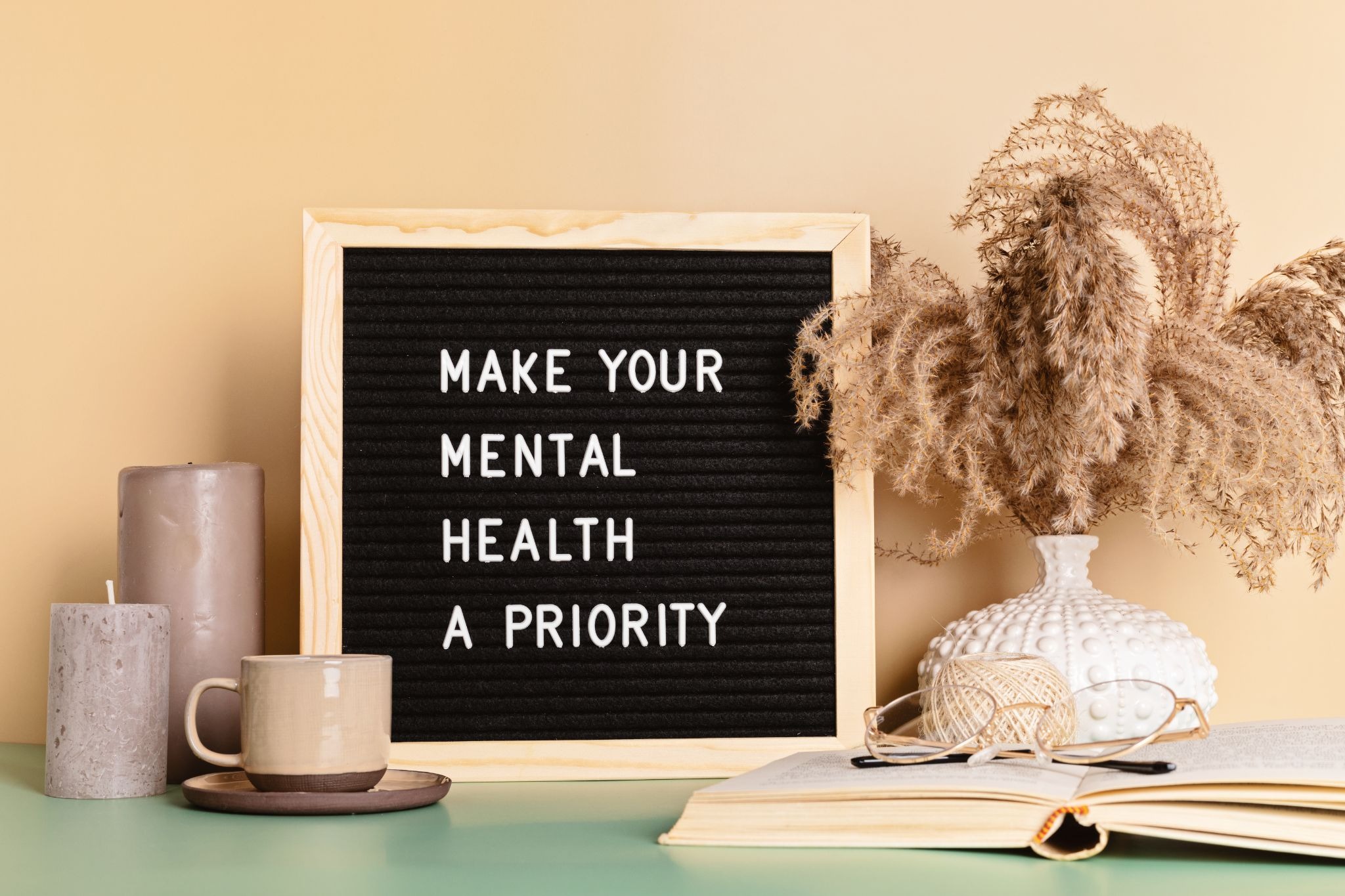
Mental health is a vital part of our overall well-being. It influences how we think, feel, and act each day. Moreover, it affects how we handle stress and relate to others. Building mental resilience can help us navigate life’s ups and downs with greater ease. This blog explores essential habits that can strengthen your mental health and enhance your resilience.
The Foundation of Mental Health Habits
Understanding Mental Health
Mental health encompasses our emotional, psychological, and social well-being. It shapes how we think, feel, and behave. Strong mental health is essential for living a fulfilling life. It affects our ability to cope with stress, handle challenges, and maintain healthy relationships. Recognizing the importance of mental health is the first step toward prioritizing it in our daily lives.
Habits play a crucial role in our mental health. The choices we make daily can either support our well-being or hinder it. Creating positive habits can lead to improved mental health. This requires awareness and commitment. By understanding the impact of our behaviors, we can make more informed decisions.
The Importance of Resilience
Resilience is the ability to bounce back from setbacks. It allows us to face challenges and adapt to change. Building resilience is key to maintaining mental health. When we are resilient, we can manage stress more effectively and recover from difficulties more quickly. This quality is not just innate; it can be developed and strengthened through practice.
Resilience helps us navigate life’s inevitable ups and downs. It enables us to face adversity with confidence and courage. By cultivating resilience, we can enhance our overall mental health and well-being. The journey to building resilience starts with understanding its significance in our lives.
Daily Practices for Mental Well-being
Establishing a Consistent Routine
Having a consistent daily routine can greatly benefit mental well-being. Routines provide structure and predictability, which can help reduce anxiety. When you know what to expect, it can be easier to manage your time and energy. A well-balanced schedule includes time for work, relaxation, and self-care.
Creating a routine doesn’t have to be complicated. Start with simple steps, like setting regular wake-up and sleep times. Incorporate time for meals, exercise, and hobbies. Make sure to include activities that bring you joy and relaxation. A balanced routine supports both your mental and physical health.
Mindfulness and Meditation
Mindfulness and meditation are powerful practices for enhancing mental health. These techniques help us stay present and focused. They allow us to observe our thoughts without judgment. Practicing mindfulness can lead to reduced stress and improved emotional regulation.
Meditation can take many forms, from guided sessions to simple breathing exercises. You can start with just a few minutes each day. Find a quiet space where you can sit comfortably. Focus on your breath and let your thoughts drift away. Over time, these practices can help foster a greater sense of calm and clarity in your life.
Physical Health and Mental Resilience
Exercise as a Mental Health Habit
Physical activity is a key component of mental health. Regular exercise releases endorphins, which boost our mood. It also helps reduce anxiety and improve sleep quality. Finding an activity you enjoy makes it easier to stay active. Whether it’s walking, dancing, or yoga, movement is essential for well-being.
Try to incorporate physical activity into your daily routine. Aim for at least 30 minutes of moderate exercise most days. You don’t have to go to the gym; simple activities like gardening or playing with your kids can be effective. The goal is to find ways to move your body that feel enjoyable and rewarding.
Nutrition’s Role in Mental Health
What we eat has a significant impact on our mental health. Nutrition affects our mood, energy levels, and overall cognitive function. A balanced diet rich in fruits, vegetables, whole grains, and lean proteins supports brain health. Foods high in omega-3 fatty acids, such as fish, can also enhance mood.
Stay hydrated and limit processed foods and sugars. These can lead to mood swings and energy crashes. Pay attention to how different foods affect your mood. Making small dietary changes can lead to big improvements in your mental health over time.
Social Connections and Support
Building a Supportive Network
Having strong social connections is crucial for mental health. Relationships provide emotional support and a sense of belonging. Surrounding yourself with positive and supportive people can help you navigate tough times. It’s important to prioritize these connections and nurture them.
Make an effort to reach out to friends and family regularly. Schedule time to connect, whether in person or virtually. Join clubs or groups that align with your interests. Building a supportive network takes time, but the rewards are invaluable for your mental well-being.
Effective Communication and Boundaries
Open communication is vital for maintaining healthy relationships. Share your thoughts and feelings with those you trust. This can help strengthen connections and foster understanding. However, it’s also important to set boundaries. Healthy boundaries protect your mental health and ensure your needs are respected.
Learn to say no when necessary. Identify what drains your energy and take steps to limit those interactions. Communicating effectively and establishing boundaries allows you to maintain your well-being while nurturing your relationships.
Cognitive Practices for Strengthening Resilience
Positive Thinking and Affirmations
Cultivating a positive mindset is essential for mental resilience. Positive thinking can shift your perspective and help you face challenges with confidence. One effective way to nurture positivity is through affirmations. These are positive statements that reinforce self-belief and encourage a growth mindset.
Start by identifying areas where you want to improve. Create affirmations that resonate with you and repeat them daily. This simple practice can boost your self-esteem and foster resilience. Over time, you’ll find it easier to maintain a positive outlook, even in difficult situations.
Problem-Solving Skills
Developing strong problem-solving skills is another key aspect of resilience. Life is full of challenges, and knowing how to approach them can greatly enhance your mental health. When faced with obstacles, break them down into manageable parts. Analyze the situation and brainstorm possible solutions.
Having a structured approach to problem-solving can reduce feelings of overwhelm. Embrace a mindset of curiosity and creativity when tackling challenges. This not only helps you find solutions but also builds your confidence in handling future difficulties.
Emotional Awareness and Regulation
Recognizing and Expressing Emotions
Emotional awareness is crucial for mental health. Understanding your feelings allows you to respond to them in healthy ways. Take time to reflect on your emotions and what triggers them. This self-awareness can help you navigate your emotional landscape more effectively.
Expressing emotions is equally important. Find safe and constructive ways to share your feelings. This might involve talking to a friend, journaling, or engaging in creative outlets. Healthy expression of emotions fosters connection and prevents feelings from becoming overwhelming.
Coping Strategies for Stress Management
Managing stress is essential for maintaining mental health. Developing effective coping strategies can help you navigate challenging situations. Explore techniques such as deep breathing, progressive muscle relaxation, or mindfulness exercises. These practices can help you calm your mind and body during stressful times.
Consider keeping a journal to process your thoughts and feelings. Writing can be a therapeutic way to reflect on your experiences. It provides an outlet for emotions and can clarify your thoughts. Finding coping strategies that resonate with you will empower you to manage stress more effectively.
Continuous Growth and Learning
Setting Personal Goals
Setting personal goals is a powerful way to enhance mental health. Goals provide direction and motivation. They help us focus on what truly matters and can boost our self-esteem when achieved. Start by identifying areas in your life where you want to grow or improve.
Make your goals specific, measurable, achievable, relevant, and time-bound (SMART). Break larger goals into smaller, actionable steps. Celebrate your accomplishments, no matter how small. Tracking your progress can provide a sense of achievement and encourage continuous growth.
Embracing Change and Adaptability
Life is full of changes, and being adaptable is crucial for resilience. Embracing change can help you approach life’s challenges with an open mind. Instead of resisting change, view it as an opportunity for growth. Cultivating a growth mindset allows you to learn from experiences, even when they are difficult.
Practice flexibility in your daily life. This might involve trying new activities, adjusting your goals, or altering your routines. Being open to change fosters resilience and encourages you to thrive, regardless of the circumstances.
Conclusion
Improving mental health and resilience is a journey that requires commitment and practice. By incorporating these habits into your daily life, you can enhance your overall well-being. Establishing routines, nurturing relationships, and practicing mindfulness are all essential steps. Remember, it’s okay to seek support when needed. Prioritize your mental health, and embrace the journey toward resilience. With time and effort, you’ll find yourself better equipped to handle life’s challenges.