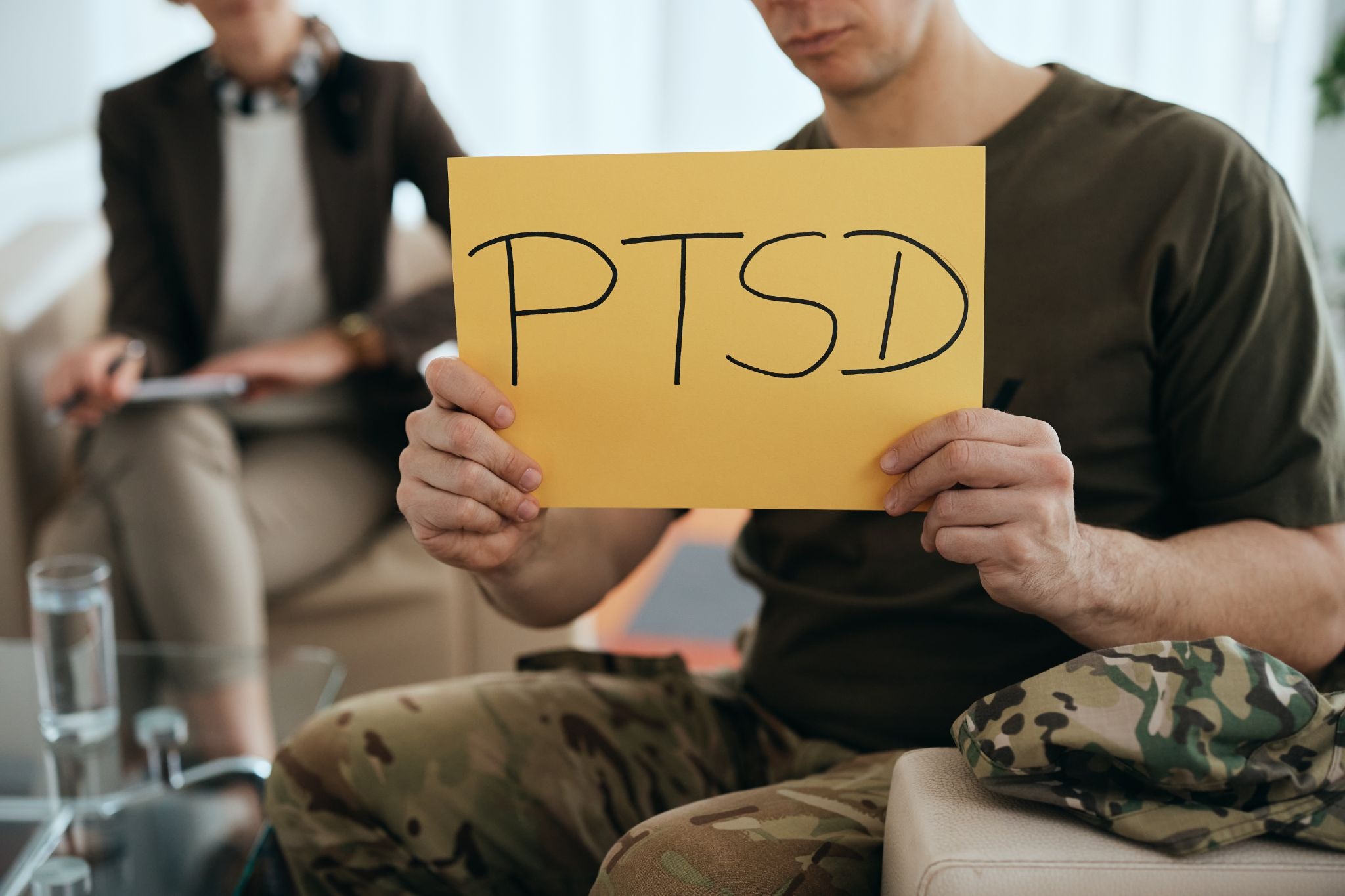

Trauma changes the way people think, feel, and respond to the world. It can affect confidence, relationships, and even physical health. While therapy plays a central role in healing, emotional support often determines how steady and sustainable that healing becomes. No one recovers in isolation.
Trauma recovery support provides safety, understanding, and reassurance during a vulnerable time. It helps individuals feel seen and heard without judgment. When someone knows they are not alone, the path to healing feels less overwhelming.
In Trauma Therapy, professionals often emphasize connection as a key pillar of recovery. Emotional support creates the foundation for that connection. It builds trust, restores hope, and strengthens resilience.
Understanding Trauma and Its Emotional Impact
Psychological trauma is not just about what happened. It is about how the nervous system and mind respond to overwhelming experiences. Trauma can stem from abuse, accidents, loss, violence, or prolonged stress. The emotional impact often lingers long after the event has passed.
In the short term, trauma may cause shock, fear, confusion, or anger. Over time, these feelings can deepen into anxiety, depression, or chronic stress. Some individuals struggle with intrusive memories or emotional numbness. Others feel disconnected from themselves and the people around them.
Without proper trauma recovery support, these emotional wounds may remain unresolved. Trauma can quietly shape beliefs about safety, trust, and self-worth. It may affect work performance, relationships, and overall well-being. Healing requires more than time. It requires compassionate connection.
Common Emotional Responses After Trauma
After trauma, many people experience intense fear or hypervigilance. They may constantly scan their environment for danger. Even in safe settings, their body reacts as if a threat is still present. This ongoing alertness can be exhausting.
Shame and guilt are also common emotional responses. Survivors may blame themselves, even when they were not responsible. This internalized blame can erode confidence and make it difficult to seek help.
Some individuals cope by emotionally shutting down. They may feel detached or numb. While this response can temporarily reduce pain, it also blocks connection. Emotional support gently helps individuals reconnect with their feelings at a safe pace.
The Role of Emotional Support in Trauma Therapy
Trauma Therapy provides structured guidance, coping tools, and professional insight. However, therapy sessions typically occur once or twice a week. Emotional support fills the space in between. It offers daily reassurance and stability.
Trauma recovery support complements professional treatment by reinforcing safety. When trusted people validate a survivor’s experience, it strengthens therapeutic progress. The person feels encouraged to keep working through difficult emotions.
Isolation, on the other hand, slows recovery. Trauma often creates a sense of being different or misunderstood. Emotional support challenges that belief. It reminds survivors that connection is still possible and that healing can happen within relationships.
Support Systems in the Healing Process
Family and close friends often serve as the first line of support. When they listen without interrupting or judging, they create emotional safety. Their presence can be deeply grounding during moments of distress.
Peer support groups also play a powerful role. Connecting with others who have experienced similar challenges reduces feelings of isolation. Shared understanding fosters empathy and normalizes emotional reactions.
Licensed trauma therapists and counselors provide specialized guidance. They help individuals process memories, regulate emotions, and rebuild trust. Together, personal support networks and professional care form a strong recovery framework.
How Emotional Validation Accelerates Recovery
Being heard and believed is transformative. Emotional validation communicates that a person’s feelings make sense, given what they have experienced. It reduces self-doubt and counters harmful narratives of blame.
When someone responds with empathy rather than advice or criticism, it strengthens self-worth. Survivors begin to see themselves as resilient rather than broken. This shift in perspective can significantly improve motivation and emotional stability.
Trauma recovery support also decreases anxiety. When emotions are acknowledged instead of dismissed, they lose some of their intensity. Validation creates space for processing rather than suppressing pain. Over time, this supports deeper healing.
Building Healthy Support Networks After Trauma
Not all relationships provide healthy support. Trauma survivors benefit from identifying individuals who demonstrate consistency, patience, and respect. Safe relationships are built on trust, not pressure. Setting boundaries is equally important. Survivors have the right to share at their own pace. Clear communication about needs helps prevent misunderstandings. Boundaries protect emotional energy and reinforce personal empowerment.
Building a support network may take time. It may involve reconnecting with old friends or forming new relationships. What matters most is quality, not quantity. Even one reliable connection can make a meaningful difference.
Red Flags to Avoid in Support Systems
Some people unintentionally minimize trauma by saying things like “just move on” or “it could be worse.” While often meant to comfort, these statements invalidate the survivor’s experience. Minimization can deepen feelings of isolation.
Toxic positivity is another concern. Forcing optimism too quickly can suppress necessary emotional processing. Healing requires honesty about pain, not constant pressure to appear strong. Judgmental attitudes also hinder recovery. Survivors need patience and understanding. If someone frequently criticizes or dismisses emotions, it may be healthier to limit that relationship during recovery.
The Neuroscience Behind Connection and Healing
Human beings are wired for connection. Supportive relationships directly influence the nervous system. When someone feels safe with another person, stress responses begin to calm. Positive interactions can reduce levels of stress hormones. The body gradually shifts from survival mode to a more balanced state. This physiological regulation supports clearer thinking and emotional stability.
Co-regulation is a key concept in trauma recovery support. It refers to the process where one calm person helps soothe another. Through tone of voice, facial expression, and presence, supportive individuals help stabilize overwhelming emotions. Over time, survivors learn to self-regulate more effectively.
Practical Strategies to Strengthen Trauma Recovery Support
Joining trauma-informed support communities can provide a structured understanding. These spaces encourage respectful listening and shared experiences. Group settings often reduce shame and normalize emotional struggles.
Guided group therapy offers professional facilitation alongside peer connection. Participants learn coping tools while also receiving validation. This combination enhances accountability and growth. Practicing vulnerability in safe spaces strengthens trust. Sharing small pieces of one’s story gradually builds confidence. Trauma recovery support becomes stronger when openness is met with empathy and consistency.
Supporting a Loved One Through Trauma Recovery
If someone you care about is healing from trauma, your presence matters more than perfect words. Listening without interrupting shows respect. Simple statements like “I’m here for you” can be deeply reassuring.
Avoid offering quick solutions unless asked. Trauma recovery is not about fixing emotions. It is about creating safety and understanding. Patience and consistency help rebuild trust over time. Encouraging professional Trauma Therapy can also be beneficial. Emotional support does not replace clinical care. Instead, it reinforces therapeutic progress and demonstrates ongoing commitment to the person’s well-being.
Overcoming Barriers to Seeking Emotional Support
Many survivors hesitate to seek trauma recovery support because of stigma. They may fear being judged or misunderstood. Cultural expectations can sometimes discourage open discussions about emotional pain.
Trust issues are another common barrier. Trauma often disrupts a person’s sense of safety. Reaching out may feel risky. Taking small steps, such as confiding in one trusted individual, can gradually rebuild confidence.
Education also helps break down resistance. Understanding that emotional support is a strength, not a weakness, empowers individuals to connect. Healing becomes more accessible when support is seen as a vital resource rather than an optional extra.
Conclusion
Trauma recovery support is not a luxury. It is a core component of sustainable healing. While Trauma Therapy provides professional tools and guidance, emotional support sustains progress in daily life. Connection restores what trauma often disrupts. It rebuilds trust, strengthens self-worth, and calms the nervous system. With consistent validation and empathy, survivors gain confidence in their resilience. Healing from trauma takes time. It requires courage, patience, and safe relationships. When emotional support is present, recovery becomes less isolating and more empowering. No one should have to walk the journey alone.